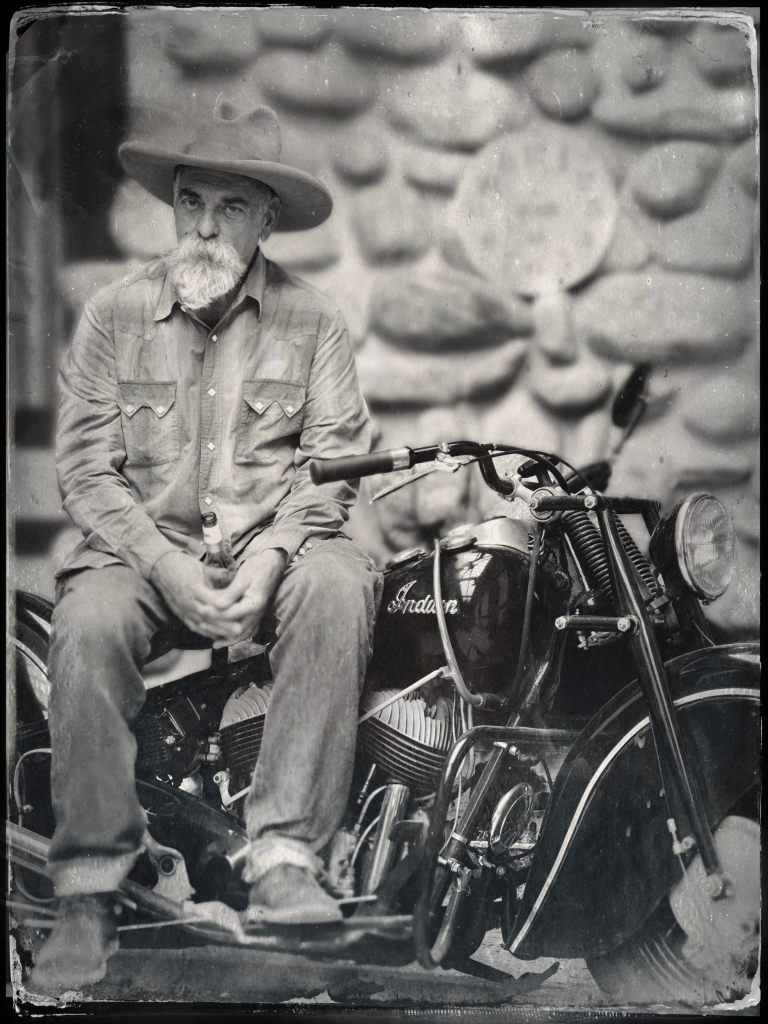
I have always been at the point of the arrow or the shank of the fletch. Never in the center, where movements capitalize. But that’s okeh. Either years behind or years ahead. I do my work, whatever it is, not for the money, but because I think it needs to be done.
I’m Paul Greenstein, bum vivant.
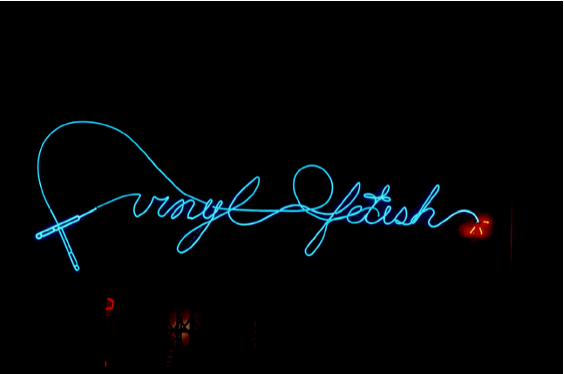
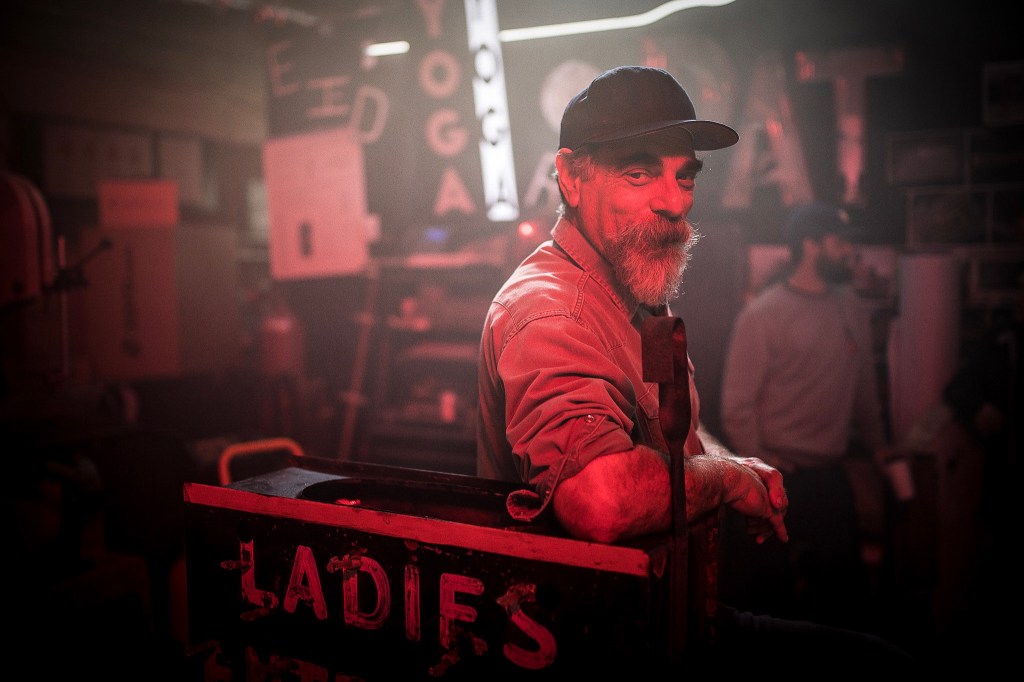
I have been designing, making, installing and restoring neon signs large and small in Los Angeles since 1977.
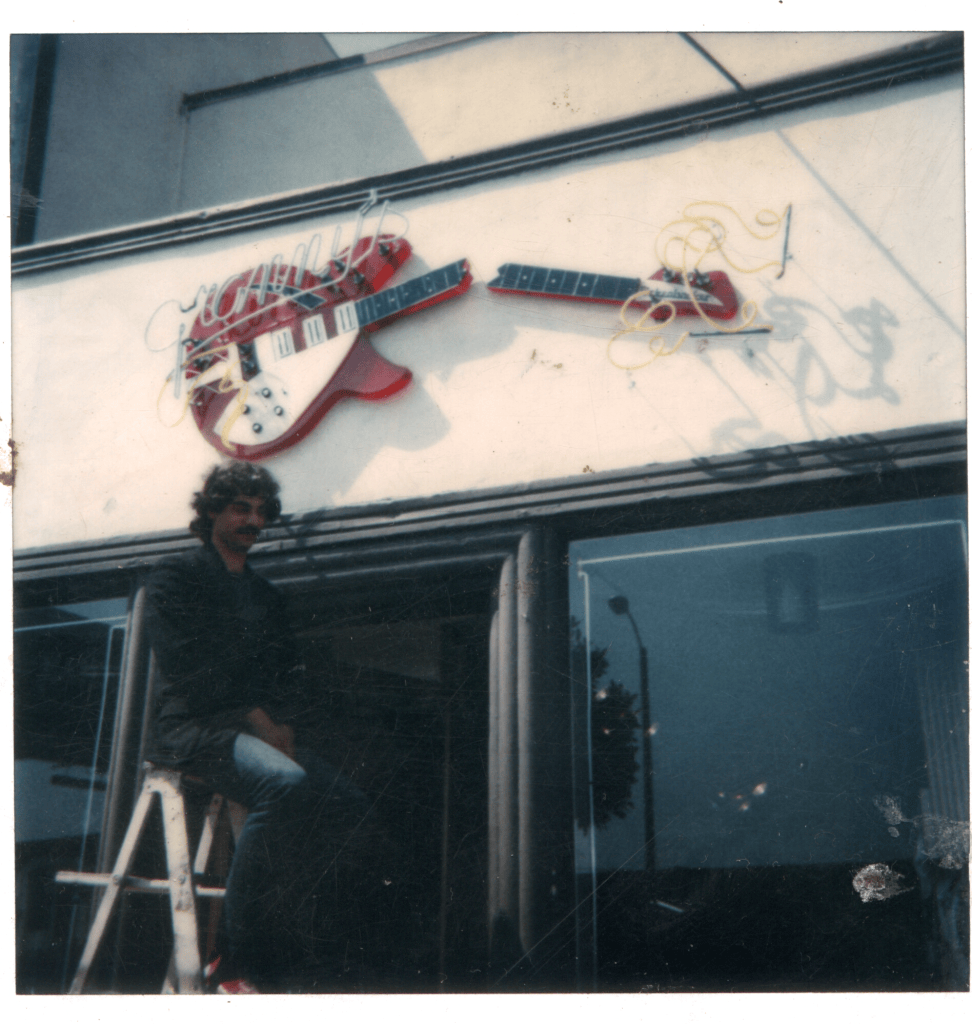
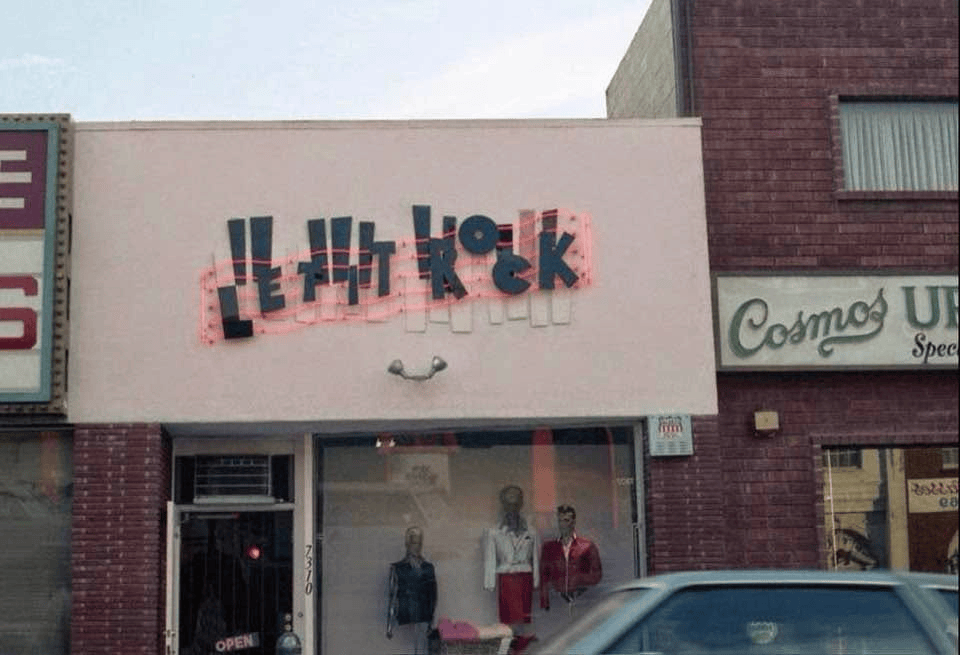
The first neon sign I made was cast resin guitar with a broken neck and neon strings for the clothing store Granny’s (originally Granny Takes a Trip in London in the 1960s), the Los Angeles store was on the Sunset Strip near the Whiskey-a-Go-Go. I made guitar pin jewelry for them, which they liked so much they asked if I could build a sign. Not knowing any better I said Yes, and got into the neon business just as it collapsed nation wide.
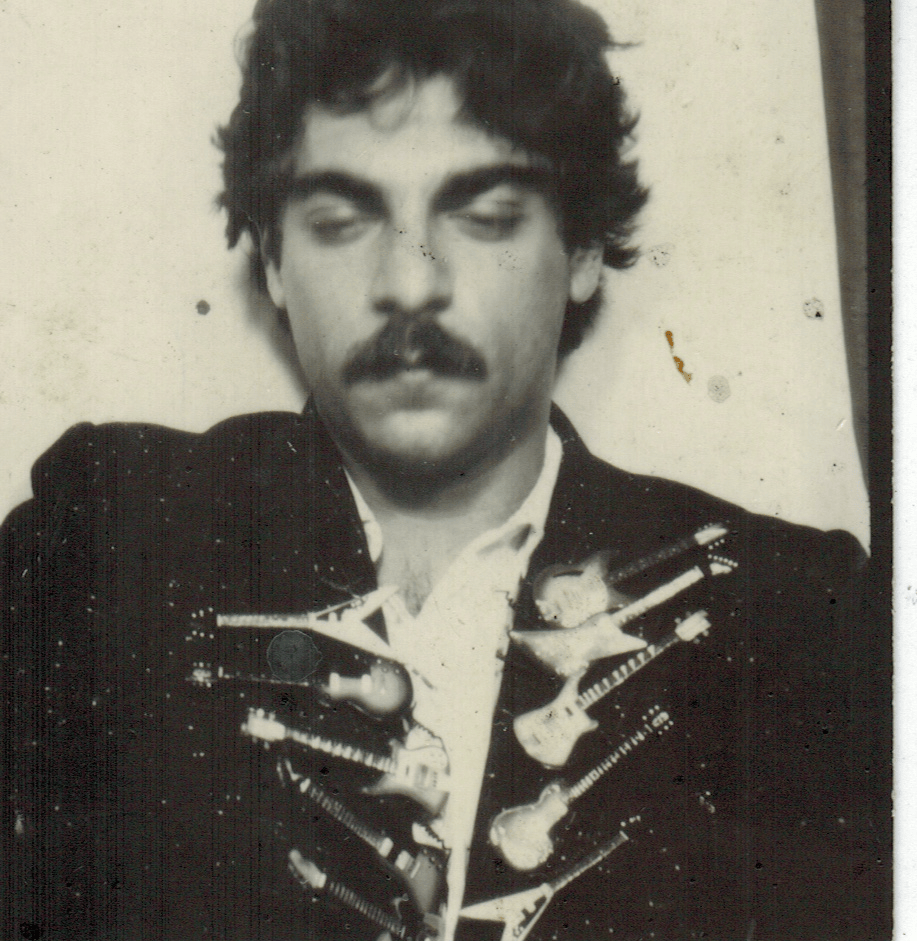
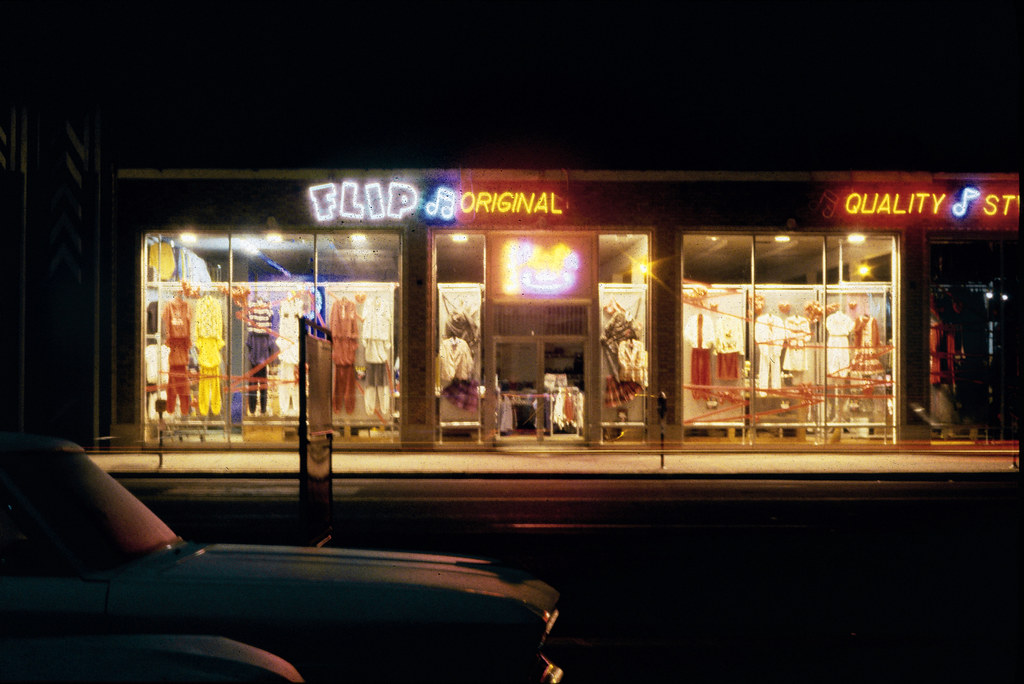
My broken-guitar sign for Granny’s was so popular that other businesses (who, like me, were blissfully unaware that neon was on the outs) asked me to make their signs. In the heyday of Melrose Avenue in the late 1970s and early 1980s I designed, made and installed every big sign on Melrose, always in neon.
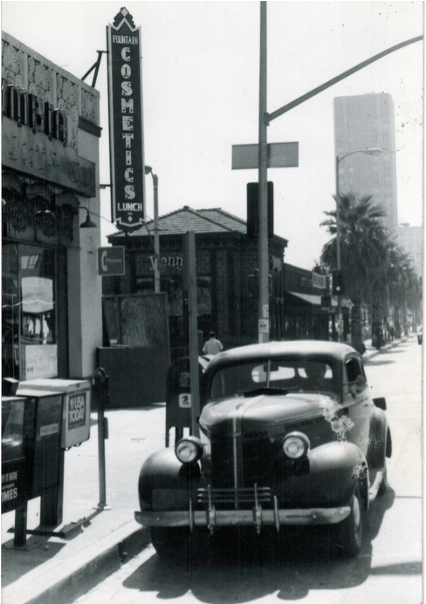
The first sign I restored was from the Columbia Drug Store, a rare pre-1930 neon sign made by QRS (at the time the sign was made it was one of the largest neon shops in the US). The sign said DRUGS but that’s not what the business was selling. The store owner wanted to advertise their product, cosmetics. Using the same holes in the sign and the same lettering, I also found (by stripping the paint) the original colors and the original Art Deco / Zig Zag Moderne pattern.
This restoration was so successful that the owner of the building, fearing the now higher profile of his previously neglected building, tore the whole building down, replacing it with a fancy restaurant that failed.
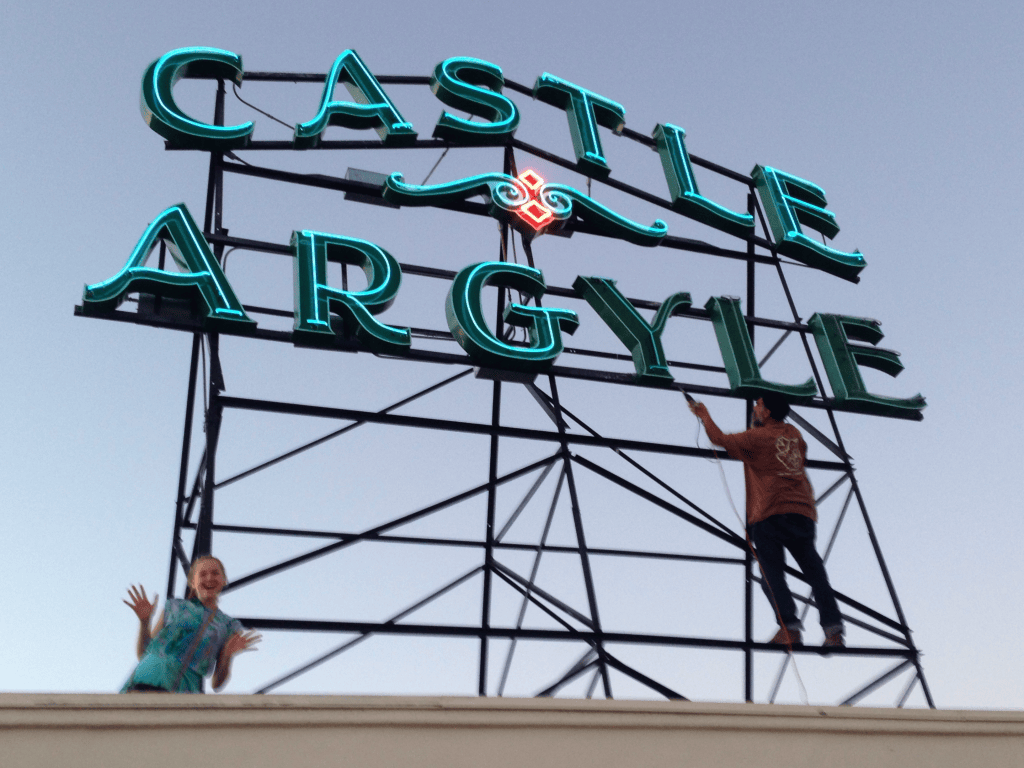
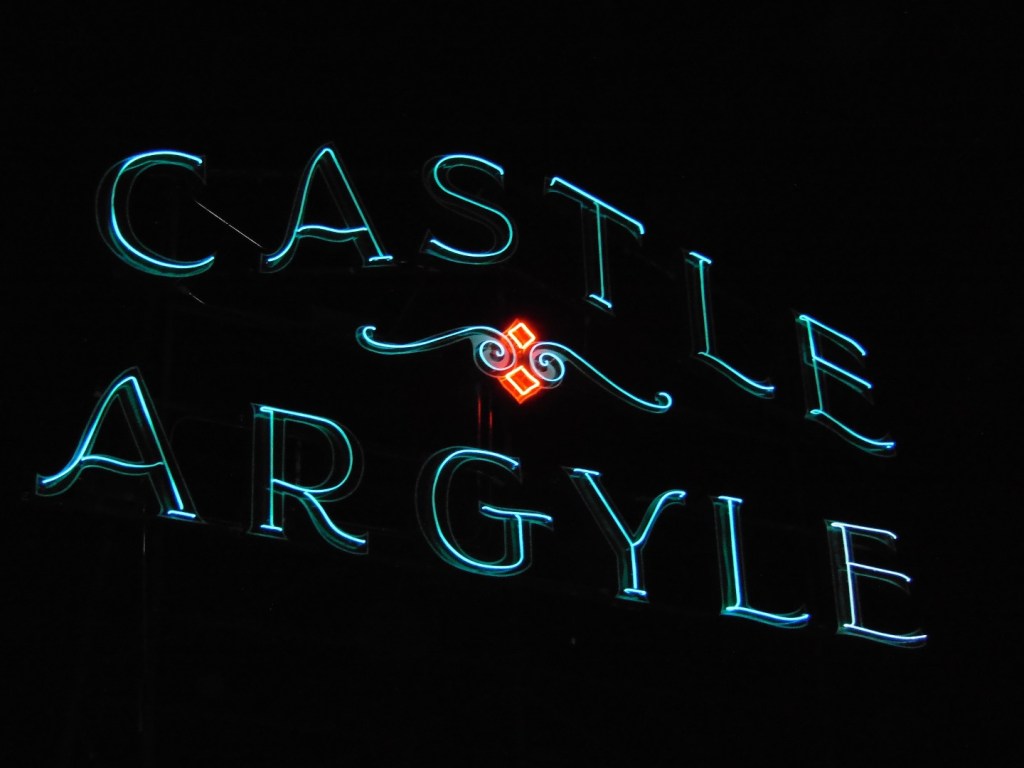
More recent restorations have fortunately been less problematic. I restored the Castle Argyle rooftop sign in 2013, and when I did I had to recreate the center medallion based only on the original holes in the metal. A decade later when the new building owners restored the building, they used that neon “moustache” as the building’s logo.
In restoring historic signs, I draw from techniques I learned restoring antique cars and motorcycles—repairing and replacing metal, stabilizing rust—historic signs are approaching 100 years old, and they were never made to get that old.
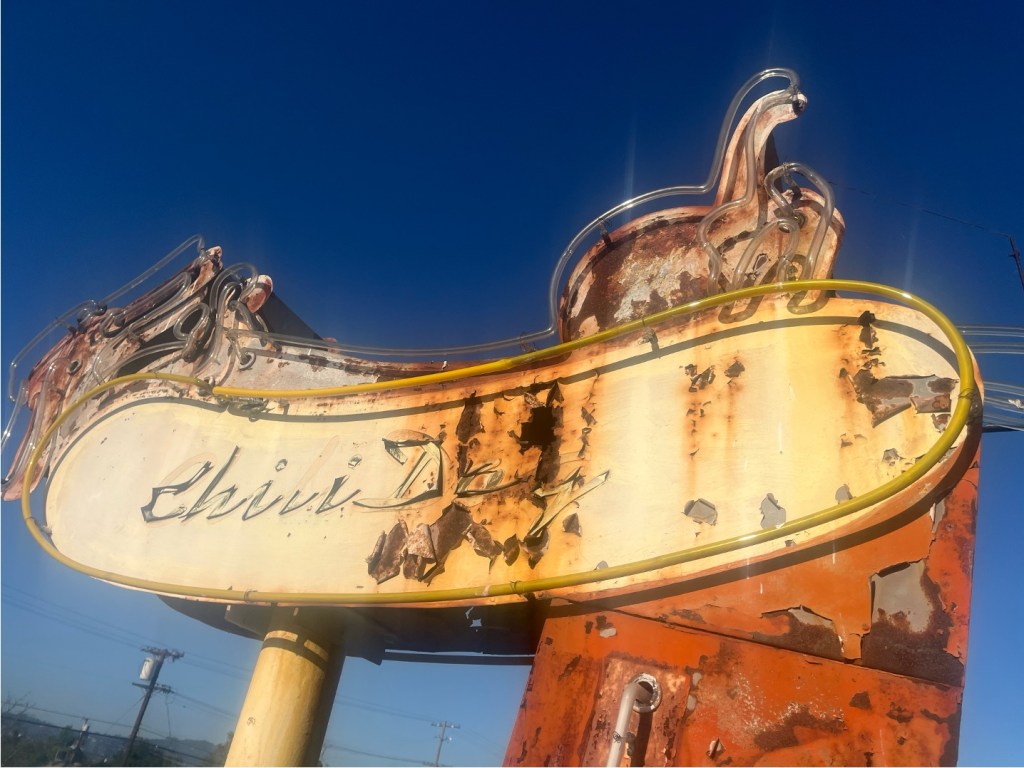
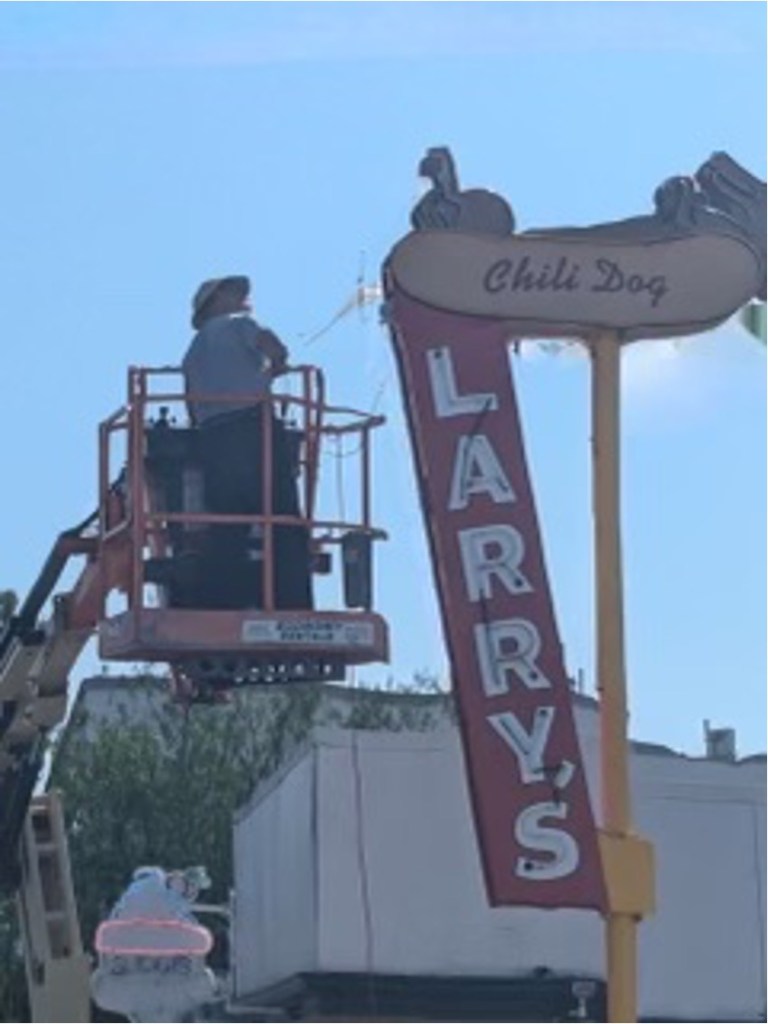
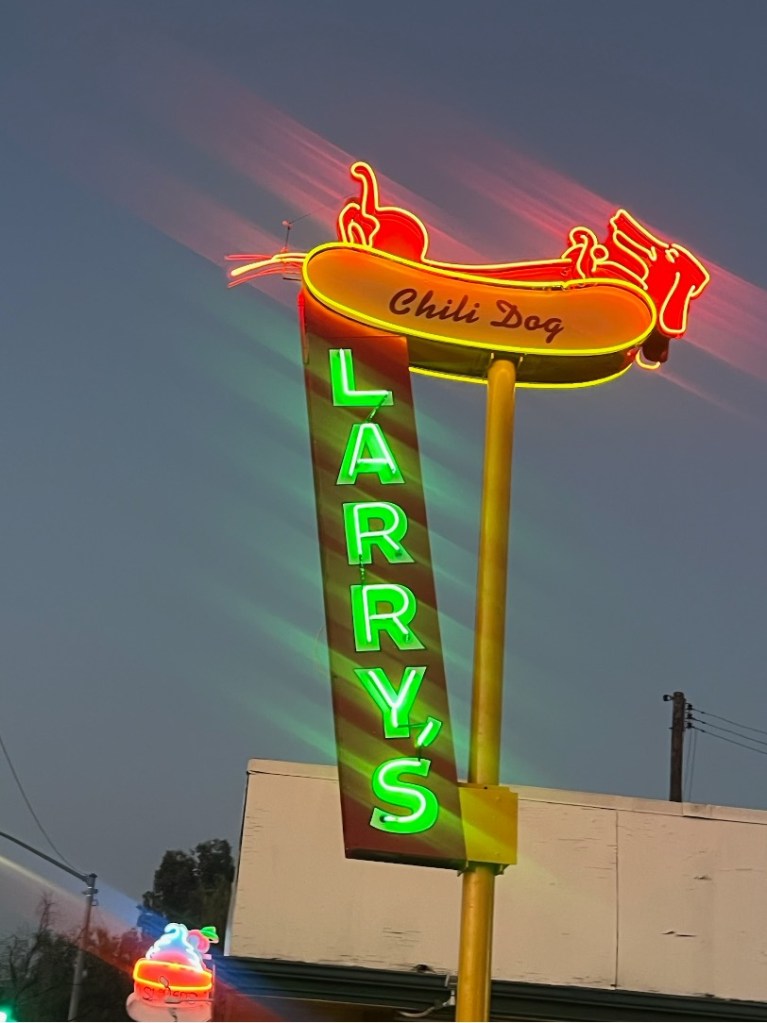
When city ordinances prevent the removal of a sign for restoration, I have to restore signs entirely on the pole. Like Larry’s Chili Dog in Burbank.
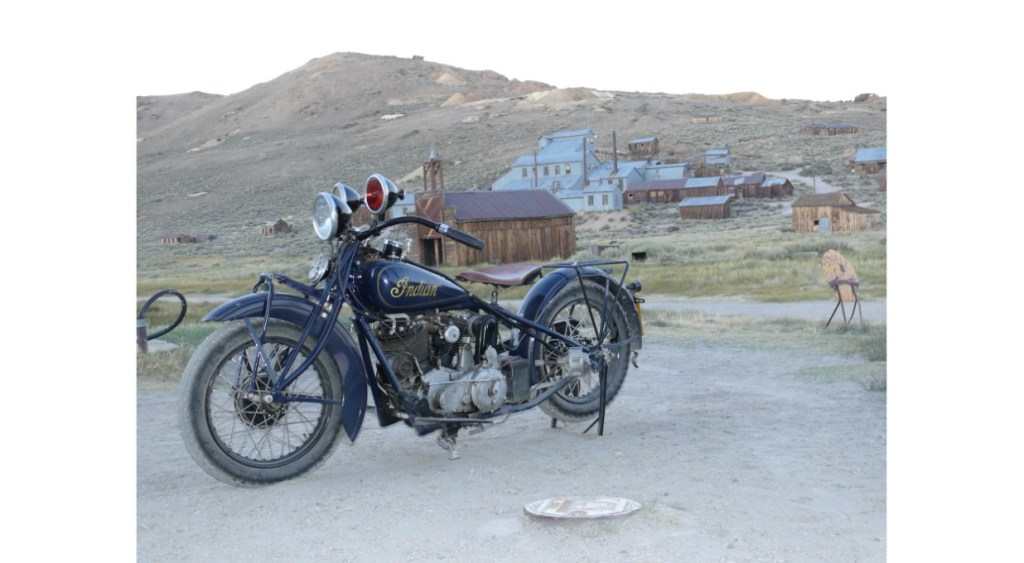
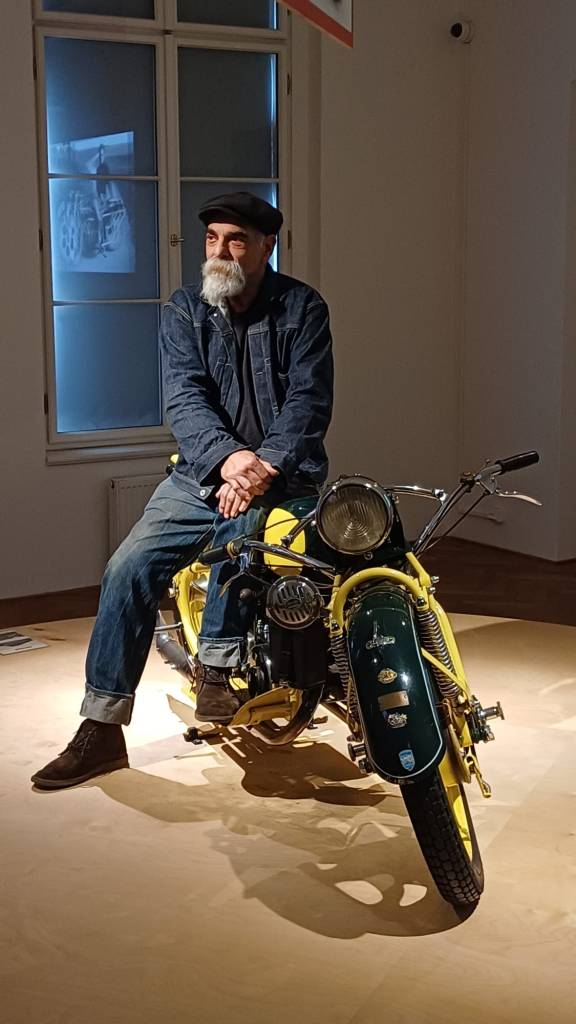
I restore antique cars and motorcycles. My first Indian was a 1937 Sport Scout that I bought in 1974 with a loan from my brother for $250. It wasn’t running, and it had been in a fire. To ride it, I had to learn to restore it. Today my wife Dydia and I have over 30 antique bikes, almost all of which were, at best, basket cases when we got them.
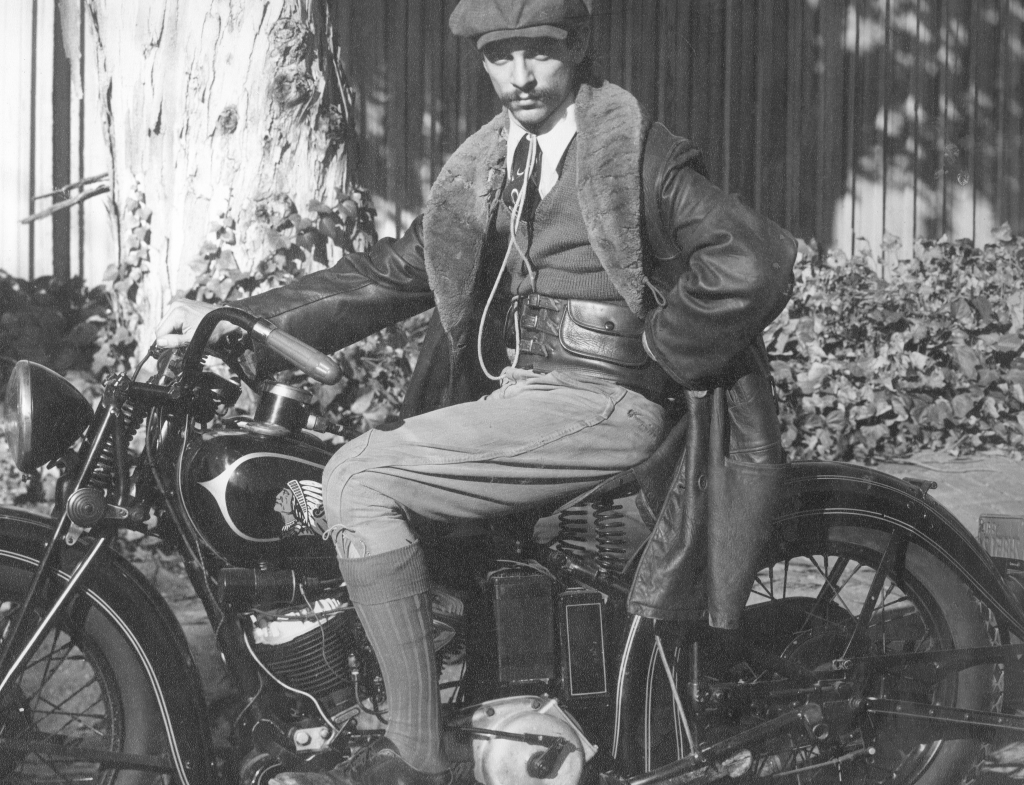
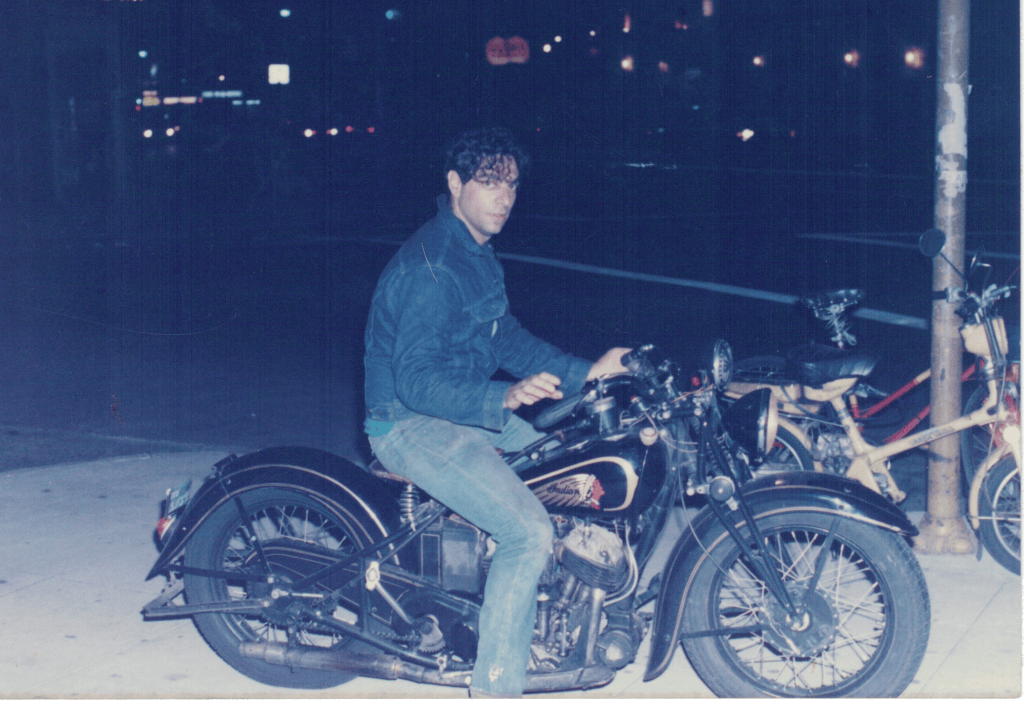
I do antique car and motorcycle rentals for film, television, music videos and photo shoots. When the job calls for it, I’ll teach an actor how to ride an Indian, or, if need be, I’ll shave. In 2009 I had the dubious honor of being the only person ever to be chased by the entire LAPD motor squad through central Los Angeles, as we honored the 100th anniversary of motor patrol. I was running my siren and red light, I was wearing an LAPD badge I was not authorized to wear, and the bike was unregistered despite it’s 1932 plate—but I didn’t get a ticket.
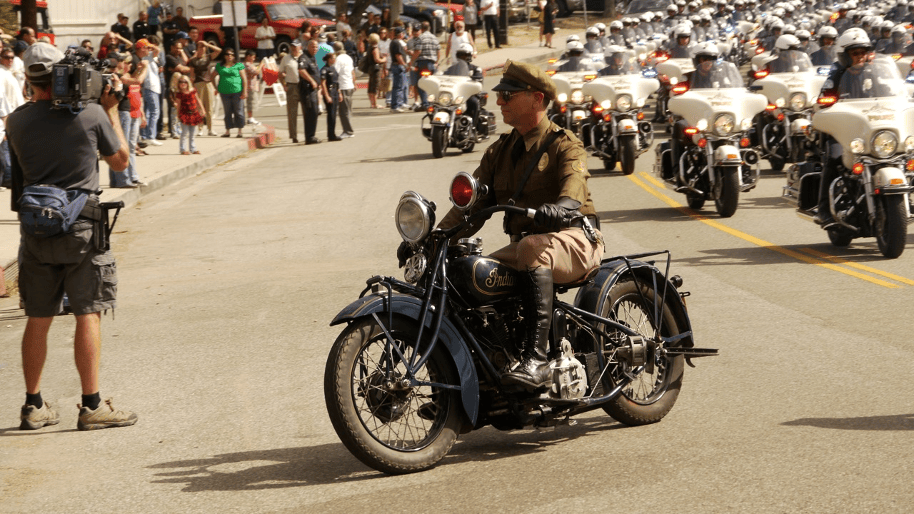
That was on my 1932 Indian police Chief, which I restored starting with just a frame and a front fork.
Professionally, after high school and a brief-and-calamitous sojourn as a salesman for a dental-products company in upstate New York in 1976, I returned to Los Angeles with my friend Robert Lloyd (who himself had failed spectacularly at college), and began to explore Los Angeles again.
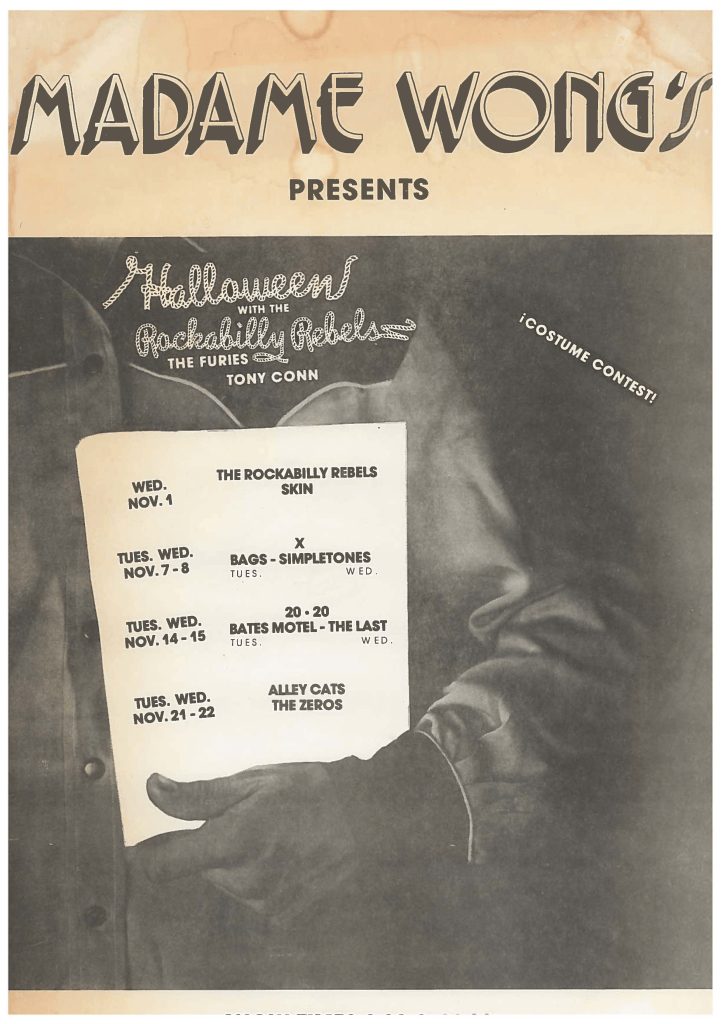
I was into the local punk scene, and knew that bands were having a very hard time just finding a place to play when I came up with the idea of having punk bands play at a Chinese restaurant called Madame Wong’s in Chinatown. For a brief few months under my management some great local bands like X gave great performances there.
My co-authored book, Bread and Hyacinths: The Rise and Fall of Utopian Los Angeles, about the Llano del Rio socialist cooperateive colony in the Antelope Valley in the 1910s, is sadly out of print.

My coauthored book, Neon: A Light History, about neon is available here: www.historyofneon.org

You can see an interview with me, produced by Petrolicious, where I talk about my restoration work and our 1941 Tatra T87, here:
https://youtu.be/Q8qVBaSTpmQ?si=yCl3ln61HScR9CKO
“History is a debt owed by the present to the future to accurately represent the past.“
Contact me at bumvivant@hotmail.com or 213-793-1937.

